

Precision Pulling: The Critical Role of Dedicated Dent Repair Systems in Modern Manufacturing
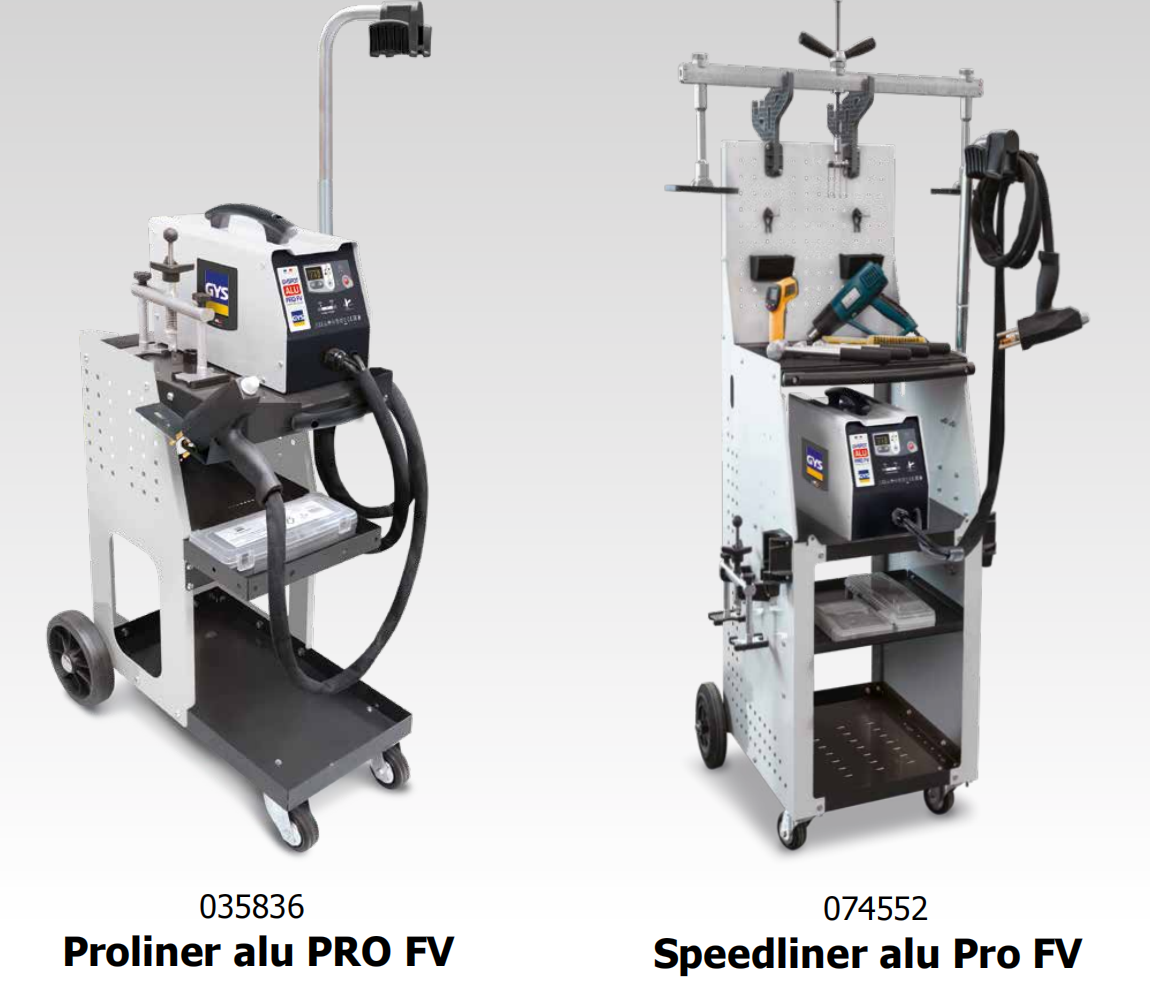
Modern dent pulling systems are designed for this reality — applying controlled, material-specific force to restore shape without collateral damage. This article examines the technology behind these systems, and why suppliers like KeyGree are increasingly called upon to provide tailored, integrated repair solutions.
The Core Challenge: Why Material Matters in Dent Repair
The fundamental challenge in dent repair lies in the divergent physical and chemical properties of aluminum and steel. Treating them with a generic approach leads to subpar results, rework, and potential component failure.
Aluminum Repair: The Delicate Balance
Aluminum alloys, prized for their high strength-to-weight ratio, are increasingly used in automotive body panels and aerospace structures. However, they present unique repair hurdles:
Low Melting Point & Heat Sensitivity: Aluminum has a significantly lower melting point than steel. Excessive or concentrated heat input during repair, common in traditional welding-based pulling, can easily weaken the material's heat-affected zone, leading to warping, distortion, and a loss of temper.
Rapid Work Hardening: Aluminum hardens quickly when worked (hammered or stretched), making it brittle and prone to cracking if not manipulated correctly and gradually.
Oxide Layer: A hard aluminum oxide layer forms instantly on exposure to air, which can interfere with certain repair techniques unless properly managed.
Steel Repair: The Strength and Stretch Dilemma
While more familiar, modern high-strength steels (HSS) and ultra-high-strength steels (UHSS) used in vehicle safety cages and industrial equipment also demand careful handling.
High Yield Strength: These steels are designed to resist deformation. Pulling out a dent requires applying substantial, controlled force without causing thinning or creating stress risers that could compromise crash performance.
Risk of Over-Stretching: Unlike softer mild steels, over-pulling HSS can permanently thin the metal, creating a weak spot that cannot be simply "hammered back."
Traditional methods like slide hammers or unregulated heat application are inadequate. They often address the symptom (the dent) while creating new problems (heat damage, work hardening, over-thinning), underscoring the need for controlled, material-specific repair technologies.
The Technology Solution: How Modern Dent Pulling Systems Work
Modern dent pulling systems, or "body repair spot welders," are engineered to apply precise, controlled force to reverse deformation without collateral damage. The core principle involves creating a temporary, strong attachment point on the damaged panel and applying a calibrated pulling force.
The Standardized Process:
Surface Preparation: The repair area is cleaned to bare metal to ensure optimal electrical conductivity and adhesion.
Attachment Point Creation: This is the critical, technology-differentiated step.
For Steel: A weldable stud, pin, or specially designed "nail" is spot-welded directly to the prepared steel surface using a low-voltage, high-current pulse from the repair unit.
For Aluminum: Cold-Welding Attachment
Aluminum’s low melting point makes traditional spot welding (used for steel) a non-starter. Specialized aluminum repair systems instead use a high-capacitance discharge — a burst of stored electrical energy — to create a “cold weld” between a compatible bolt and the panel. The discharge lasts milliseconds, generating negligible heat and leaving the surrounding material’s temper and strength intact. This is not a weld in the traditional sense; it is a controlled, low-energy bonding process designed specifically for heat-sensitive alloys.
Controlled Pulling: A pull rod, slide hammer, or hydraulic puller is attached to the welded stud. The technician then applies gradual, measured force—often in a series of small pulls—to slowly draw the metal back to its original contour. Advanced systems may include force gauges or digital readouts.
Finishing: Once the shape is restored, the stud is removed, the area is ground smooth, and the surface is prepared for refinishing.
Key Technological Differentiators:
Material-Specific Welding Programs: Superior units have dedicated microprocessors with pre-set programs for different aluminum alloys (e.g., Al-Si, Al-Mg) and steel grades, automatically adjusting current, time, and pulse to ensure a perfect, low-heat attachment every time.
Portable and Integrated Systems: Modern machines like the GYS GYSPOT COMBI series are designed as mobile, all-in-one units. They house the power source, controls, and often the pulling tools in a single cabinet, allowing for repairs anywhere in the workshop without disassembling major components.
Expanding the Horizon: Industrial Applications Beyond Auto Body Shops
The application of controlled dent pulling technology extends far beyond the collision repair center.
Manufacturing & Production Line Maintenance:
Aerospace: Repairing minor hangar damage to aluminum aircraft skins, interior panels, or cargo bay linings without compromising airworthiness.
Appliance & Metal Fabrication: Fixing shipping damage or press errors on stainless steel refrigerator doors, aluminum cookware, or decorative metal panels.
Rolling Mill & Line Maintenance: As referenced in industrial literature, devices like "Doctor Blades" are used to clean rolls in continuous annealing lines, preventing "dents" or imprint defects on steel strip—a parallel philosophy of proactive deformation prevention. Dedicated pullers can repair ancillary equipment and guards on such lines.
Specialized Transportation and Heavy Industry:
Rail & Marine: Repairing dents in aluminum-bodied railcars or steel ship superstructures.
Commercial Vehicle Fleets: Maintaining aluminum truck cabs, trailer skins, and steel container bodies.
Energy Sector: Repairing enclosures, housings, and ductwork in power generation and oil & gas facilities.
Beyond the Tool: Why Supplier Integration Matters
A dent pulling system is only as effective as its integration into the broader repair or manufacturing workflow. This is where suppliers like KeyGree differentiate themselves — not by offering a single device, but by providing a coordinated ecosystem of complementary technologies:
Dent pullers for aluminum and steel
Advanced MIG welding systems for post-repair assembly (e.g., EV battery trays)
Plasma cutters for material preparation
Training simulators to reduce operator learning curves
For industrial clients, working with a supplier that can deliver this breadth — and customize attachment tools, welding programs, or integration into automated cells — transforms a standard repair machine into a seamless part of a high-stakes production process.
Customization & Integration: The ability to offer custom services is paramount for industrial clients. This could involve:
Developing specialized puller attachments for unique component geometries.
Integrating the repair system into a semi-automated production or repair cell, with robotic positioning and force feedback.
Creating proprietary welding programs for a client's specific, proprietary metal alloy.
Technology Synergy: Insights from developing advanced welding solutions (e.g., for EV battery trays with low porosity and heat control) directly inform the development of next-generation dent pullers, particularly for heat-sensitive materials. This R&D synergy fosters continuous innovation across the equipment spectrum.
The repair of dents in aluminum and steel is a microcosm of modern manufacturing's broader challenges: achieving precision, preserving material properties, and maximizing efficiency. Dedicated dent pulling technology has evolved from a simple tool to a sophisticated, microprocessor-controlled system essential for maintaining the integrity of advanced components. As exemplified by the targeted designs from GYS, success hinges on respecting the unique science of each material.
Looking forward, the demand for such precision tools will only grow, driven by the proliferation of mixed-material designs and sustainability mandates that favor repair over replacement. The winners in this space will be those who offer not only excellent hardware but also the customization, integration capability, and comprehensive technical support that turn a standard machine into a seamless part of a client's high-stakes repair or manufacturing process. This holistic approach to solving material-specific challenges defines the future of industrial maintenance and repair.
Keygree Group Co., Ltd.
Keygree Group Co., Ltd.
+86 18058395375
info@keygree.com
Legal Disclaimer:
EIN Presswire provides this news content "as is" without warranty of any kind. We do not accept any responsibility or liability for the accuracy, content, images, videos, licenses, completeness, legality, or reliability of the information contained in this article. If you have any complaints or copyright issues related to this article, kindly contact the author above.
